
As a parent, few things test my patience like emotional outbursts from my kids. Whether it was my toddler throwing themselves on the floor because they got a purple cup instead of the blue one, or your teenager slamming doors over being denied a sleepover, (tantrums aren’t just for toddlers).
Emotional flare-ups happen at every stage of childhood. And they used to throw me off balance. But encorporating Stoicism into my parenting changed how I show up for my kids.
Instead of reacting with frustration or guilt, I’ve learned to meet my children’s outbursts with more calm, clarity, and presence.
Stoicism gives me a practical framework, not just to raise my kids with patience, but to model the kind of emotional maturity I want them to develop.
The Stoic Foundation: Control What You Can
One of the core teachings of Stoicism is the dichotomy of control; some things are within our power, and some aren’t. Epictetus put it simply: “Some things are up to us, and some are not.”
That idea alone has completely reframed how I deal with tantrums. I can’t control if my child gets upset, screams, or storms off. I can’t control their mood, their behavior, or their reaction to a limit I’ve set. But I can control how I respond.
Do I yell back? Do I take it personally? Or do I hold my ground with calmness and clarity?
Choosing the latter isn’t always easy, but it’s always possible. And with practice, it becomes more natural.
When I remind myself that my peace of mind is something I get to protect, even during chaos, I feel more grounded. I’m not at the mercy of their emotional storm.
See the Behavior, Not Just the Noise
When a tantrum hits, it’s easy to just hear the noise; the whining, the yelling, the defiance. But one of the most helpful Stoic shifts I’ve made is learning to look beyond that surface-level chaos.
Kids, regardless of age, often act out because they don’t yet have the tools to process what they’re feeling. A tantrum is often a signal: “Something inside me is too big for me to handle.”

So instead of seeing their outburst as a personal attack, I’ve started to view it as communication; immature, yes, but valid in its own way.
I begin by telling my kids, “When you yell, people don’t hear your words, they only hear your volume.” It’s a simple phrase, but it has made a huge impact.
They’re learning that if they want to be heard, they need to speak with calm, not chaos. It hasn’t just changed the way they talk to me, it’s reshaped how they communicate with others, too. And honestly, it’s a reminder I use for myself at times.
When I feel frustration bubbling up, I remember that raising my voice may feel like power, but it often shuts down communication instead of opening it. Staying grounded is how we truly get through to each other.
Stoicism has taught me to pause and look deeper. What need isn’t being met? Are they hungry? Overstimulated? Feeling unheard? This doesn’t mean I give in to unreasonable demands, but it does mean I approach the situation with curiosity instead of judgment.
Respond Don’t React
Let’s repeat that one together, “respond don’t react.” Marcus Aurelius wrote, “You have power over your mind, not outside events. Realize this, and you will find strength.” That has become one of my mantras in parenting.
When a meltdown begins, my instinct used to be to react; snap back, raise my voice, try to shut it down. But I’ve learned that a reaction is usually impulsive and unhelpful. A response, on the other hand, is intentional.
Now, I take a deep breath. I slow down. I choose a response that aligns with the kind of person I want my children to emulate, not one driven by frustration, but by presence.
Sometimes that looks like saying calmly, “I see you’re really upset. I’m here when you’re ready to talk.” Other times, it’s just sitting in silence while the storm passes, because we can’t force their emotions to simmer. In these moments, I remind myself: I’m not here to control them, I’m here to guide them.
Model Emotional Resilience
Kids are always watching. They learn how to handle emotions not by what we tell them, but by what we show them.
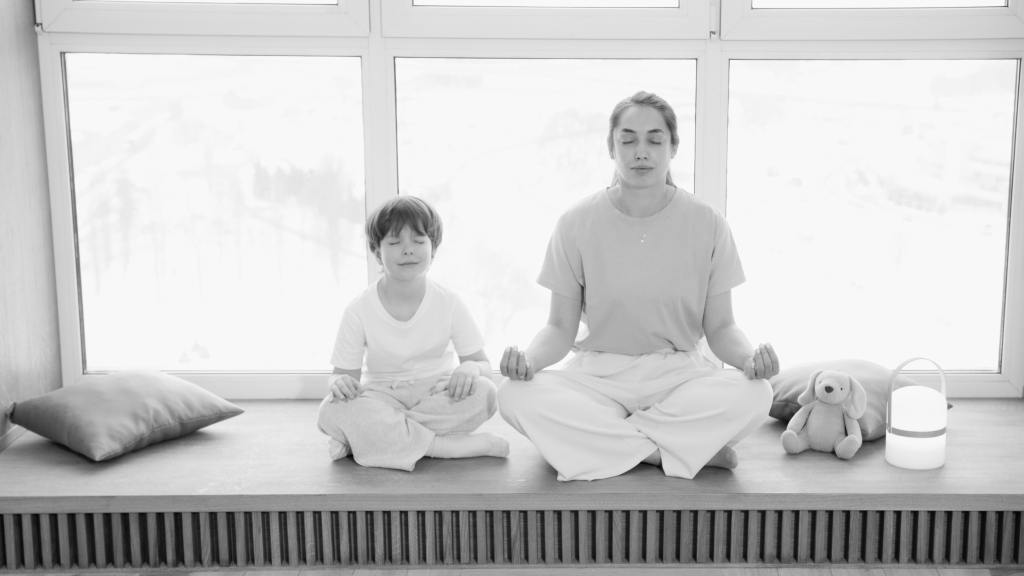
So I try to model what reliance looks like. I let them see me take deep breaths when I’m overwhelmed. I name my feelings out loud sometimes: “I’m feeling a little stressed right now, so I’m going to pause and take a breath.”
Doing this helps them normalize big emotions. It teaches them that feelings are okay, but they don’t have to control us.
Even more, it creates emotional safety. They learn that their outbursts won’t push me away or provoke punishment, but instead they’ll be met with calm leadership and boundaries.
I also encourage my kids to tune into their own bodies. We talk about what it feels like when frustration starts to build; tightness in the chest, clenched jaws, fast breathing.
When they learn to recognize the signs early, they’re more empowered to take a break, use words, or ask for help. It’s not about perfection. It’s about giving them tools they can practice for a lifetime.
Practice Detachment from Outcomes
Sometimes even when I handle things perfectly, my kid will still explode. In these moments I try and remember that this is not a failure, it’s an opportunity for growth, for the BOTH of us.
My goal isn’t to control every outcome, it’s to stay grounded in my role as a steady guide.
One of the best ways I’ve found to redirect energy is by recognizing the storm before it breaks. I watch for early cues; fidgeting, whining, a change in tone, and try to intervene gently. Sometimes it’s a snack, a hug, or simply naming the emotion: “Looks like you’re getting frustrated. Want to take a break with me?”
Practicing detachment doesn’t mean disengaging. It means staying clear about my job: not to prevent all discomfort, but to lead with wisdom through it.
Whether the tantrum fades or flares up, my goal is to support emotional learning, not a blind obedience.
After the Storm: Reflect and Repair
Once emotions calm down, I take the opportunity to reconnect and reflect with my kids in a way that is fitting for their age and for each of them as individuals.

We talk about what happened, why it happened, and how we both felt during the experience. I try to stay curious, not judgmental, this isn’t about blame, it’s about building awareness.
These conversations teach them that emotions aren’t scary or shameful, they’re a normal part of being human, and that it is up to each of us to be in control of our emotions.
Reflection also shows that we can revisit difficult moments with understanding and care, and that repair is part of every healthy relationship.
This process helps build trust, emotional intelligence, and gives my kids the language and confidence to express themselves more clearly next time.
Strengthen the Inner Dialogue (Theirs and Mine)
One of the most powerful tools Stoicism has given me as a parent is the ability to shape the way my children talk to themselves. And it starts with how I speak to them.
I say things like, “You were really upset, but you calmed down. That’s strength!” These moments of acknowledgment help them build a voice inside that reminds them they’re capable of navigating tough emotions. It becomes a part of how they see themselves.
But Stoicism isn’t just for them, it’s for me too. When a tantrum really pushes my buttons, I catch myself before spiraling into frustration.
I’ll think, “They’re not trying to ruin my day, they’re learning how to handle theirs.” That one thought changes everything. It shifts me from reaction to perspective, from judgment to compassion.
It reminds me that parenting isn’t about perfection or control, it’s about planting seeds. Every calm response, every validating word, helps grow a stronger, more resilient inner voice in both of us.
Tantrums Are Training Grounds
Tantrums used to feel like chaos. Now, I see them as training grounds, for my kids and for me.
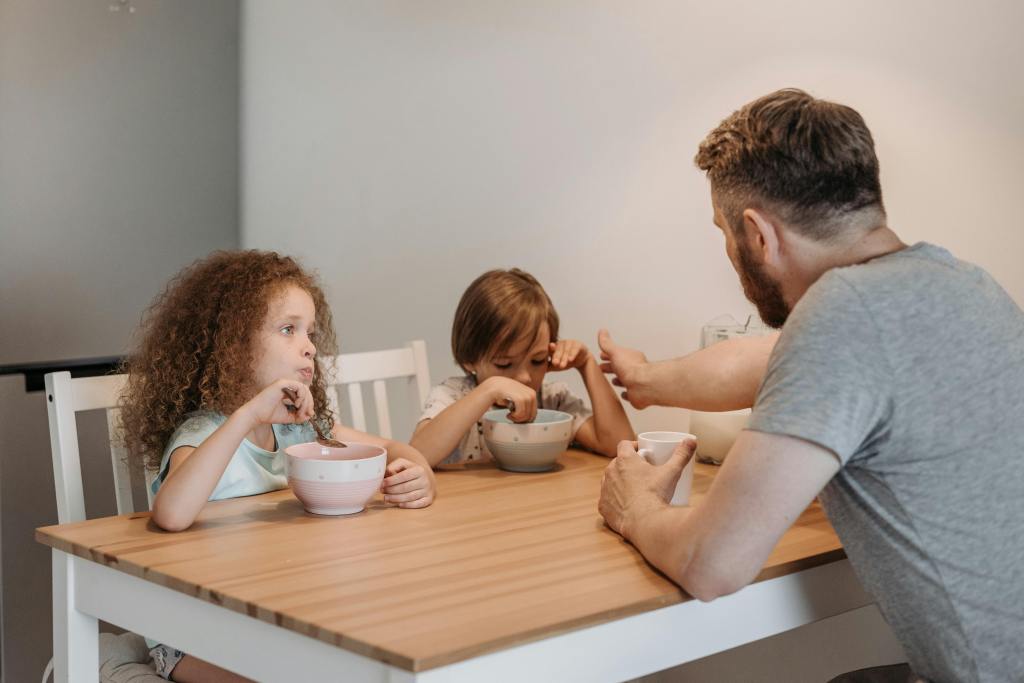
Every meltdown is a moment to model calm, guide emotional growth, and deepen the connection between us.
Stoicism doesn’t make parenting perfect. It makes it purposeful. I’m not raising perfect kids, I’m raising emotionally resilient ones. And to do that, I have to keep showing up with patience, self-awareness, and love. One breath, one choice, one tantrum at a time.
If you found this post helpful, subscribe for more on Stoic parenting, emotional growth, and the mindset shifts that create lasting peace, inside and out.
FAQ: Stoic Parenting and Tantrums
- What age range does this apply to?
Stoic parenting helps with tantrums and emotional outbursts at every age, from toddlers to teenagers. The emotional outbursts look different, but the Stoic tools remain the same: calm, empathy, and self-control. - Isn’t Stoicism too strict or cold for parenting?
Not at all! Stoicism isn’t about suppressing emotion, it’s about managing it wisely. It actually makes space for deeper connection and understanding. - What if I lose my cool?
It happens. I’ve lost my temper before too. The Stoic path includes self-forgiveness and learning from mistakes. Repair the relationship and try again. - How do I stay calm when I’m exhausted and overwhelmed?
By preparing ahead of time. I give myself permission to take short breaks if I get to overwhelmed. Even a few minutes of breathing alone in another room can reset my nervous system and help me return with calm and clarity. - Can I teach my kids Stoicism directly?
Yes! Keep it simple. Teach them about choices, feelings, and what’s in their control. Over time, they’ll grow their own version of inner strength.

 Student of Stoicism
Leave a comment