Anxiety is a common experience in our fast-paced, modern world.
It often feels overwhelming and can be difficult to manage. However, ancient philosophies like Stoicism offer timeless wisdom that can help us navigate and reduce anxiety.
Let’s explore how Stoic principles can provide practical tools for managing anxiety and promoting a sense of inner peace.

Understanding Stoicism
Stoicism, a philosophy founded in the early 3rd century BCE by Zeno of Citium, teaches the development of self-control and fortitude as a means to overcome destructive emotions.
The Stoics believed that we should focus on what we can control and accept what we cannot. This mindset can be incredibly empowering when dealing with anxiety.
The ability to have emotional control over our inner thoughts is a difficult process. Emotional authority over oneself takes practice and curiosity.
Continue with me as we question these thoughts and learn how to spin that curiosity into a guided practice of self-regulation.
Dichotomy of Control: Control What You Can, Accept What You Cannot
In our fast-paced and unpredictable world, anxiety often stems from a sense of helplessness and a lack of control.
Stoicism, offers timeless wisdom that can help us manage anxiety by focusing on what we can control and accepting what we cannot.
The Stoic principle of the dichotomy of control is a powerful tool for reducing anxiety. At its core, this principle encourages us to distinguish between what is within our control—our thoughts, actions, and responses—and what is beyond our control, such as other people’s actions, external events, and outcomes.
By concentrating our energy on aspects we can influence and letting go of those we cannot, we can achieve a sense of inner peace and reduce our anxiety.
Consider a common source of anxiety: the outcome of a job interview. We cannot control the interviewer’s decision, but we can control how we prepare for the interview, how we present ourselves, and how we respond to the outcome, whatever it may be.
By focusing on these controllable elements, we can reduce the stress associated with the uncertainty of the result.
Practicing this principle requires mindfulness and self-awareness.
When faced with a stressful situation, pause and ask yourself: “Is this within my control?” If the answer is yes, take proactive steps to address it. If the answer is no, practice acceptance and shift your focus to areas where you can make a difference.
This shift in mindset can alleviate feelings of helplessness and empower you to take constructive action.
Practice Negative Visualization

In our quest for peace and mental clarity, anxiety often emerges as a significant obstacle.
The Stoic practice of negative visualization, or “premeditatio malorum,” offers a powerful method for alleviating anxiety by preparing our minds for potential challenges.
This technique involves contemplating possible negative outcomes to build resilience and reduce fear.
Negative visualization may seem counterintuitive, as it involves thinking about things going wrong. However, by doing so, we can diminish the impact of these events on our mental state.
The Stoics believed that by regularly imagining worst-case scenarios, we can reduce the shock and emotional turmoil if they do occur, thus helping us face life’s uncertainties with greater composure.
To practice negative visualization, start by identifying specific anxieties or fears. For example, if you’re anxious about an upcoming presentation, visualize what could go wrong: technical difficulties, forgetting your points, or receiving critical feedback. Then, consider how you would handle each situation.
This exercise helps you prepare mentally and emotionally, transforming fear into manageable scenarios. Moreover, negative visualization can shift your perspective on your current situation.
By contemplating what life would be like without certain comforts or successes, you develop a deeper appreciation for what you have.
This newfound gratitude can counteract the anxiety of losing these things, as you realize their true value and become more resilient to potential loss.
Regular practice of negative visualization can also enhance your problem-solving skills.
By mentally rehearsing how to handle adverse situations, you build confidence in your ability to cope with real-life challenges.
This proactive approach reduces the uncertainty that fuels anxiety, empowering you to take control of your responses.
Incorporating negative visualization into your routine can provide significant anxiety relief.
By facing your fears head-on and preparing for potential difficulties, you cultivate a mindset of resilience and gratitude.
Embrace this Stoic technique to transform anxiety into a tool for personal growth and inner peace.
Live in Accordance with Nature

In our modern lives, the constant rush and barrage of information can lead to heightened anxiety. The ancient philosophy of Stoicism offers a remedy through the principle of living in accordance with nature.
By aligning ourselves with the natural order and rhythms of life, we can find peace and reduce anxiety. Living in accordance with nature means embracing the inherent change and impermanence of life.
The Stoics believed that much of our anxiety stems from resisting the natural flow of events and clinging to an illusion of permanence and control.
By accepting that change is a fundamental aspect of existence, we can reduce the fear and stress associated with uncertainty.
One practical way to live in accordance with nature is to cultivate mindfulness and presence. Nature itself operates in the present moment, without dwelling on the past or worrying about the future.
By focusing on the here and now, we can quiet our anxious minds. Simple practices like mindful breathing, observing our surroundings, or immersing ourselves in nature can help anchor us in the present and foster a sense of calm.
Another aspect of this principle is understanding and accepting our own human nature. This involves recognizing our limitations and being compassionate towards ourselves.
Instead of striving for unrealistic perfection, we can set achievable goals and appreciate our efforts.
Self-compassion reduces the internal pressure we place on ourselves, alleviating anxiety.
Additionally, connecting with the natural world can have profound effects on our mental health.
Spending time outdoors, whether it’s a walk in the park, hiking in the mountains, or simply sitting under a tree, can ground us and provide a sense of perspective.
Nature’s rhythms remind us of the larger cycles of life, helping us to see our worries in a broader context.
Incorporating the Stoic principle of living in accordance with nature into our lives encourages acceptance, mindfulness, and a deeper connection with the world around us.
By embracing the natural flow of life, we can reduce anxiety and cultivate a more balanced, peaceful existence.
Cultivate an Inner Citadel
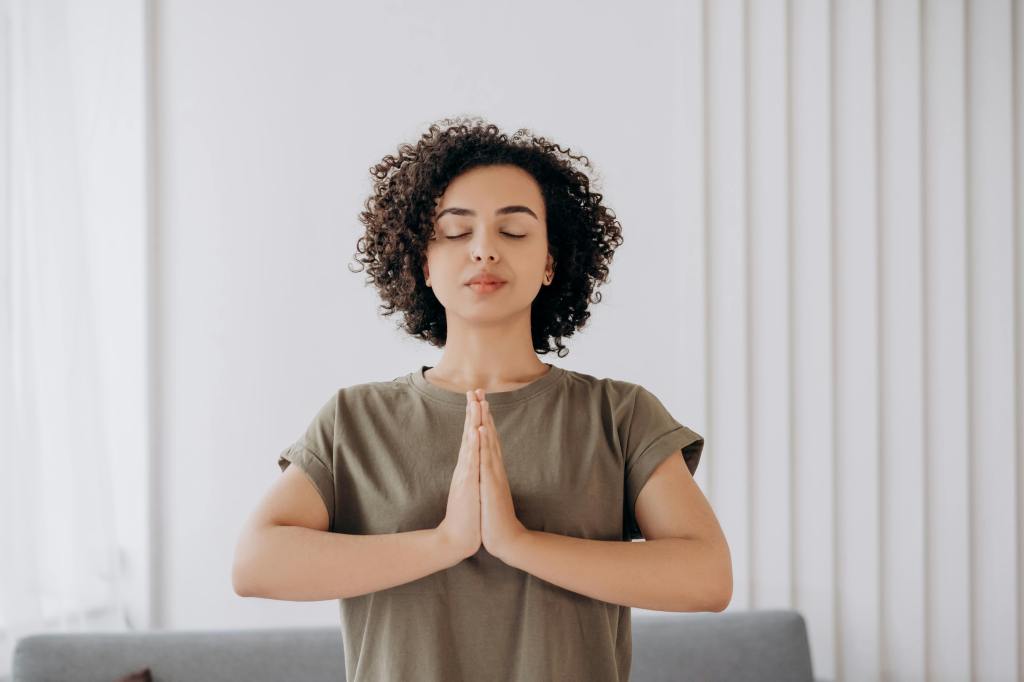
In the face of life’s challenges and uncertainties, anxiety often arises from feeling vulnerable and unprotected.
The Stoic concept of cultivating an “inner citadel” offers a powerful strategy for building resilience and managing anxiety.
This inner citadel represents a fortress of mental and emotional strength that remains unshaken by external events.
The idea of the inner citadel is rooted in the belief that true security comes from within. Stoics teach that while we cannot control external circumstances, we can control our thoughts, attitudes, and responses.
By developing a strong inner self, we can face life’s difficulties with greater calm and confidence.
Building your inner citadel begins with self-reflection and understanding your core values.
Take time to identify what truly matters to you and align your actions with these values. This creates a solid foundation of purpose and direction, which can reduce anxiety about making decisions and facing uncertainties.
Additionally, strengthening your inner citadel involves cultivating resilience through regular mental exercises.
Journaling is a valuable tool for this purpose. Reflect on your daily experiences, challenges, and emotions, and consider how you can respond more constructively in the future.
This practice enhances self-awareness and prepares you to handle adversity with a calm and reasoned approach.
Moreover, embracing the Stoic practice of negative visualization can fortify your inner citadel.
By contemplating potential challenges and considering how you would cope with them, you build mental resilience and reduce the fear of the unknown.
Cultivating an inner citadel empowers you to face life’s challenges with strength and poise.
By focusing on what you can control and building inner resilience, you create a sanctuary of peace and stability, significantly reducing anxiety and fostering a sense of inner peace.
Embrace this Stoic practice to navigate life’s uncertainties with greater confidence and tranquility.
Practice Gratitude

Anxiety can often feel overwhelming. However, integrating the Stoic practice of gratitude into our daily lives can provide a powerful antidote to these feelings.
By focusing on what we have rather than what we lack, we can shift our mindset and significantly reduce anxiety.
The Stoics believed that gratitude was essential for a fulfilling life. They taught that by appreciating the positives in our lives, we can cultivate a sense of contentment and resilience.
This shift in perspective helps to diminish the power of anxiety, which thrives on our fears and perceived deficiencies.
Practicing gratitude is straightforward yet profoundly impactful. Begin by setting aside a few moments each day to reflect on the things you are grateful for.
This can be done through journaling, where you write down three to five things you appreciate each day. These can be simple, everyday occurrences like a warm cup of coffee, a kind word from a friend, or the beauty of a sunset.
Over time, this practice trains your mind to notice and appreciate positive experiences, no matter how small.
In addition to daily reflection, expressing gratitude to others can also help alleviate anxiety.
Acknowledge and thank those around you for their support and kindness. This not only strengthens your relationships but also fosters a positive environment, which can buffer against stress and anxiety.
The benefits of gratitude extend beyond emotional well-being. Research has shown that practicing gratitude can improve sleep quality, boost immune function, and increase overall happiness.
When we focus on what we are grateful for, we shift our attention away from worries and negative thoughts, creating a mental space that is more conducive to peace and relaxation.
Incorporating gratitude into your daily routine can be a powerful strategy for managing anxiety.
By regularly acknowledging the good in our lives, we can foster a more positive outlook and build resilience against the challenges that life inevitably brings.
Embrace gratitude as a daily practice, and watch as it transforms your perspective, bringing greater calm and clarity into your life.
Reflection
Stoicism offers a robust framework for managing anxiety. By focusing on what we can control, practicing negative visualization, embracing change, cultivating inner strength, and practicing gratitude, we can develop a more resilient mindset.
Integrating these Stoic principles into our daily lives can help us navigate the challenges of modern life with greater calm and equanimity.
Remember, anxiety is a natural part of the human experience, but with the right tools and mindset, we can learn to manage it effectively.

 Student of Stoicism
Leave a comment